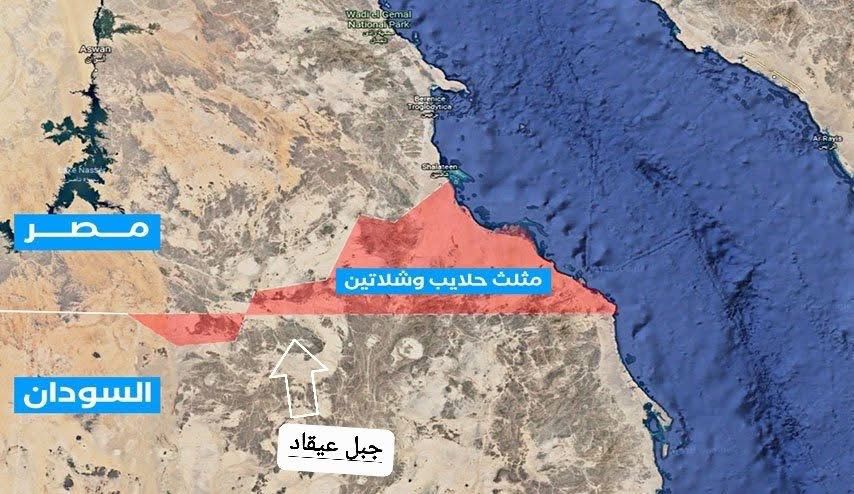
At midday on 21 June 2026, North Al-Wadi, an area in Sudan’s Red Sea State that had long served as a livelihood hub for hundreds of Sudanese artisanal miners, was transformed into the scene of a military operation that resulted in the arrest of dozens of civilians and the shooting of others. According to information documented by the Darfur Victims Support Organization, a large force belonging to the Egyptian military entered the area and carried out a wide-scale operation against Sudanese miners. The incident raises not only urgent questions regarding the fate of the victims, but also broader concerns about the protection of Sudanese civilians in border regions and the manner in which the authorities exercising control over the area respond to violations committed against their own citizens.
According to testimonies collected by the organization from eyewitnesses and survivors, the attack took place at approximately 12:00 noon Sudan time on 21 June 2026, when a large Egyptian military force, estimated at around sixty armed vehicles, including six enclosed transport trucks apparently designated for detainees, advanced toward mining sites where Sudanese civilians were engaged in artisanal gold mining activities in the North Al-Wadi area. Witnesses reported that the force surrounded the miners and opened fire during the arrest operation. Several civilians were also reportedly subjected to beatings and other forms of ill-treatment while in custody.
Based on preliminary information verified by the organization, at least sixty-seven Sudanese nationals were arrested. Among those whose identities have been confirmed are Khalid Abdelrahman Wad Al-Omda (30 years old) from Joghana, Gereida locality, South Darfur; Salah Abdullah (25 years old); Abdullah Ibrahim (31 years old) from Joghana village, Gereida locality; and Hamid Naitsha (29 years old) from the same area. Dozens of additional detainees have not yet been fully identified due to the continuing atmosphere of fear and uncertainty among workers in the region. The operation also resulted in injuries to at least three civilians, including Al-Rabee, who sustained a gunshot wound and was transferred to Port Sudan for medical treatment.
This incident is particularly significant because it did not occur within an active battlefield or military conflict zone. Rather, it targeted civilians engaged in an economic activity associated with artisanal mining, a sector that has become one of the primary sources of livelihood for thousands of Sudanese citizens driven by war and economic collapse to seek work in remote and border mining areas. Testimonies received by the Darfur Victims Support Organization indicate that the detainees were unarmed and were not participating in any military activity or armed confrontation at the time of the attack.
Subsequent developments have raised additional concerns regarding possible attempts to obstruct documentation efforts and suppress information about the incident. Multiple sources informed the Darfur Victims Support Organization that, on the same day, 21 June 2026, Sudanese Armed Forces Military Intelligence summoned seven Sudanese miners to its office in North Al-Wadi shortly after the attack occurred. According to the testimony of a relative of one of those summoned, the miners were instructed to delete photographs and video recordings related to the incident and were warned against sharing any material documenting the events on social media platforms. They were allegedly threatened with imprisonment if they retained or disseminated such materials. Their mobile phones were confiscated and searched, and they were subjected to questioning for approximately ninety minutes.
The Darfur Victims Support Organization considers these allegations to raise serious questions regarding the nature of the Sudanese authorities’ response to the incident. At a time when state institutions would ordinarily be expected to prioritize the protection of citizens, the collection of evidence, the documentation of violations, and efforts to ascertain the fate of detainees, the testimonies gathered suggest that the first actions taken on the ground were directed toward restricting the circulation of information and removing documentary evidence related to the incident. If confirmed, such practices could significantly undermine accountability efforts and restrict access to information for the public, victims’ families, and independent human rights actors.
North Al-Wadi occupies particular importance because of its proximity to gold-rich mining areas and because large numbers of displaced persons and individuals fleeing the ongoing conflict rely on mining activities there as a means of survival. Since the outbreak of the Sudanese war on 15 April 2023 and the severe economic collapse that followed, increasing numbers of civilians have migrated toward traditional mining areas, rendering such regions more vulnerable to security tensions, border-related abuses, and competition over resources.
Of even greater concern is the fact that, as of the time of writing this report, the authorities based in Port Sudan had not publicly announced the opening of an independent investigation into the circumstances of the attack, the injuries sustained by Sudanese citizens, or their arrest. Nor have they publicly clarified what measures, if any, have been taken to protect their citizens or monitor the conditions of those detained. When this official silence is viewed alongside reports of witness intimidation and pressure to delete documentary evidence, it creates a body of circumstances that warrants an independent inquiry into whether efforts have been made to conceal violations or restrict public access to information concerning them.
The Darfur Victims Support Organization does not claim to possess conclusive evidence demonstrating direct coordination or collusion between the Egyptian authorities and the authorities based in Port Sudan in relation to this incident. Nevertheless, the sequence of events and the documented conduct of official institutions raise legitimate questions as to why no publicly known measures were taken to protect Sudanese citizens, demand their release, or investigate the violations committed against them, while indications simultaneously emerged of pressure being exerted on witnesses and individuals who documented the incident. These circumstances call for an independent and transparent investigation capable of establishing responsibility, uncovering the truth, and ensuring that no party responsible for violations escapes accountability.
The arrest of civilians, the use of armed force against them, the injuries inflicted during the operation, and the reported pressure placed upon witnesses collectively constitute matters of grave concern requiring urgent attention from national, regional, and international human rights mechanisms. The Darfur Victims Support Organization further reiterates the urgent need for an independent mechanism to investigate violations occurring in border regions and remote mining areas, ensure the protection of victims and witnesses, preserve evidence, enable families to learn the fate of their relatives, and secure effective justice and remedies for those affected.